Catania, Sicily – A
groundbreaking agrivoltaic project is now underway in the town
of Catania, Sicily, marking a significant step forward for
Italy’s renewable energy sector. The project, developed under an
EPC (Engineering, Procurement, and Construction) model,
integrates large-scale solar power generation with agricultural
production, creating a win-win model for clean energy and local
farming.
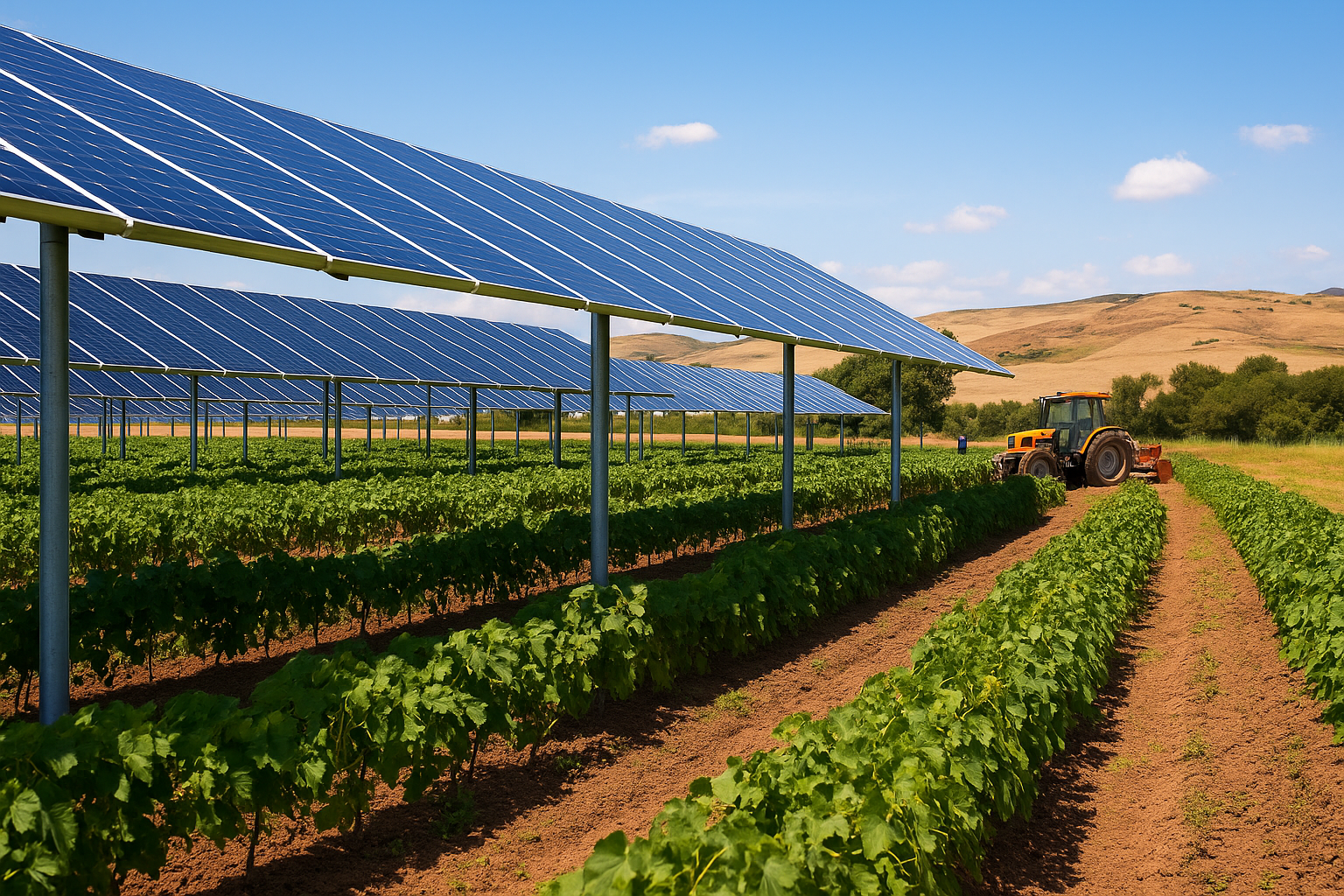
Located in the heart of Sicily’s
fertile agricultural land, the facility combines rows of
elevated photovoltaic panels with productive farmland beneath.
This design allows crops to grow while solar panels generate
electricity, maximizing land use efficiency and reducing
competition between energy and food production.
The project is expected to
produce enough clean energy to power tens of thousands of
households annually, significantly reducing carbon emissions in
the region. At the same time, local farmers will benefit from
continued agricultural use of the land, supported by a
microclimate created by the panels that can help protect crops
from excessive heat and drought.
“This is more than just a solar
farm; it’s a model for the sustainable future of rural
economies,” said the project’s EPC contractor spokesperson. “By
integrating agriculture and renewable energy, we are supporting
food security, economic growth, and climate action at the same
time.”
The Catania agrivoltaic project
is aligned with Italy’s national targets for renewable energy
expansion and reflects a growing trend in Europe toward
multifunctional land use. With construction progressing rapidly,
the plant is expected to be fully operational within the next
year, contributing both clean power and agricultural output to
the region.
As the world seeks solutions to
balance energy transition with agricultural needs, the Catania
project stands as a compelling example of how technology and
tradition can work hand in hand to create a sustainable future.